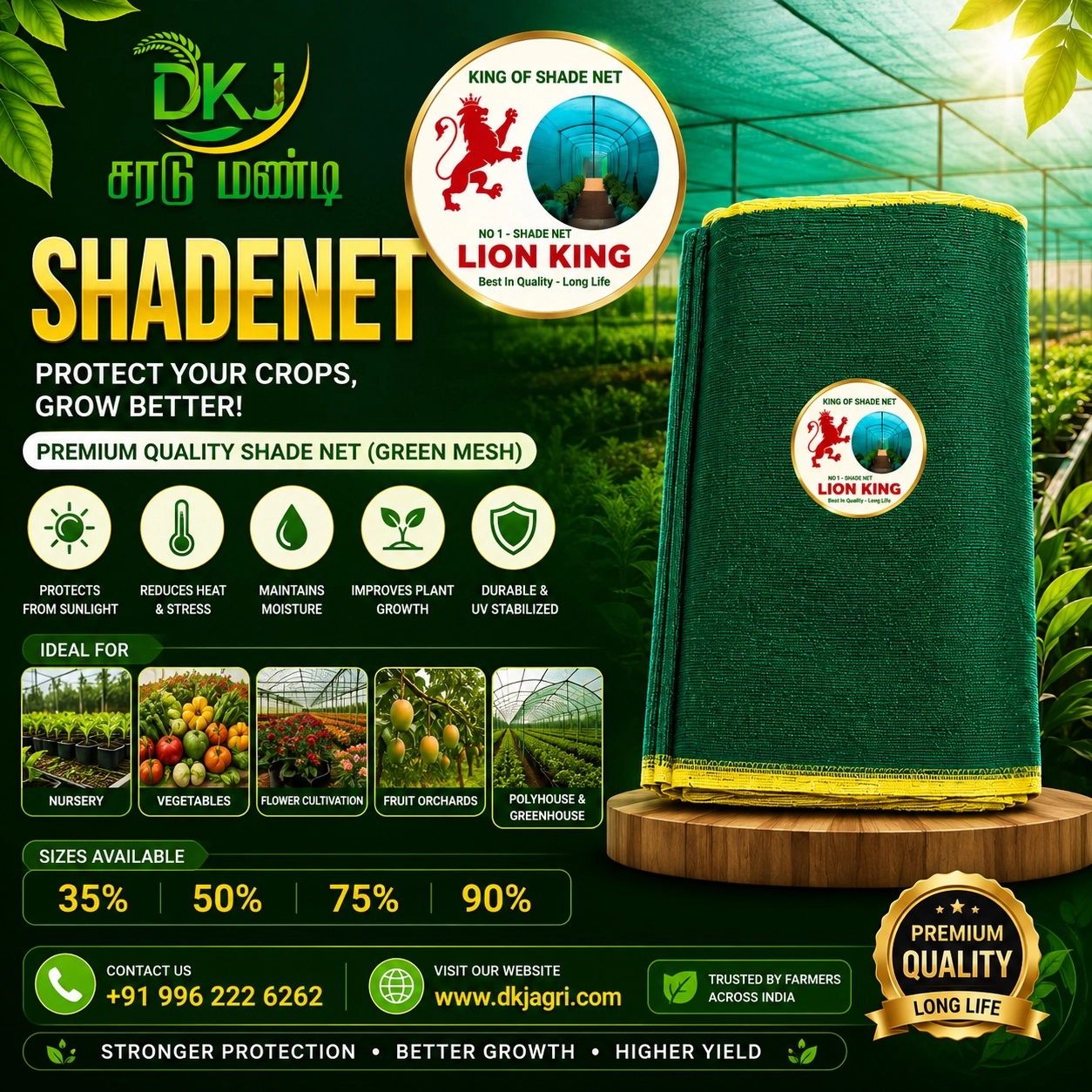
Modern agriculture faces increasing challenges such as rising temperatures, intense sunlight, water scarcity, and unpredictable weather. Agricultural shade nets have become an essential solution for farmers who want to protect crops while improving productivity and quality. Made from durable, UV-stabilized HDPE material, shade nets create a controlled growing environment that helps plants thrive under different climatic conditions.
Whether you operate a vegetable farm, nursery, greenhouse, flower garden, or fruit plantation, using the right shade net percentage can significantly improve crop health and overall farm profitability. Below are the top 10 benefits of agricultural shade nets and why they are an excellent investment for modern farming.
1. Protects Crops from Excessive Sunlight
Direct and intense sunlight can damage tender leaves, flowers, and young seedlings. Agricultural shade nets filter harmful UV rays while allowing sufficient sunlight for photosynthesis.
Benefits:
- Prevents leaf scorching
- Reduces sunburn damage
- Maintains healthy crop growth
- Improves seedling survival
Suitable Crops:
- Tomato
- Chilli
- Capsicum
- Cucumber
- Leafy vegetables
2. Reduces Heat Stress
High temperatures slow plant growth and reduce crop productivity. Shade nets lower the temperature around plants by creating a cooler microclimate.
Advantages:
- Reduces heat stress
- Supports healthy plant metabolism
- Improves flowering and fruit development
- Enhances crop quality during summer
3. Conserves Soil Moisture
Shade nets reduce direct sunlight on the soil, minimizing water evaporation. This helps retain moisture for a longer period.
Benefits:
- Reduces irrigation frequency
- Conserves water
- Maintains consistent soil moisture
- Supports healthy root development
This is especially beneficial in regions with limited water availability.
4. Improves Crop Quality and Yield
Plants grown under proper shade conditions often produce healthier leaves, stronger stems, and better-quality fruits and vegetables.
Benefits include:
- Uniform plant growth
- Improved fruit color
- Better size and appearance
- Higher market value
- Increased yield
5. Protects Against Wind, Dust, and Heavy Rain
Strong winds can damage crops, while dust and heavy rain may affect plant health and productivity. Shade nets provide a protective barrier against harsh weather.
Advantages:
- Prevents branch breakage
- Reduces physical crop damage
- Protects flowers and fruits
- Creates a stable growing environment
6. Supports Nursery and Greenhouse Farming
Shade nets are widely used in nurseries and greenhouse cultivation because young plants require controlled sunlight and temperature.
Ideal for:
- Vegetable nurseries
- Flower nurseries
- Fruit seedlings
- Forestry nurseries
- Tissue culture hardening
Healthy seedlings result in stronger crops after transplantation.
7. Reduces Pest and Bird Damage
While shade nets are primarily designed to control sunlight, they also discourage birds and reduce the impact of larger flying pests.
Combined with insect nets, they provide even better crop protection by creating a safer environment for cultivation.
8. Increases Water Use Efficiency
Efficient water management is becoming increasingly important in agriculture. Since shade nets reduce evaporation and lower surrounding temperatures, plants require less water to maintain healthy growth.
Benefits:
- Better irrigation efficiency
- Lower water consumption
- Reduced pumping costs
- Improved sustainability
9. Extends the Growing Season
Extreme weather often limits the cultivation period of many crops. Shade nets create a more stable environment, allowing farmers to grow vegetables and nursery plants for longer durations.
This enables:
- Earlier planting
- Extended harvesting
- Better seasonal planning
- More consistent production
10. Improves Farm Profitability
The combination of healthier crops, higher yields, reduced water usage, and better produce quality ultimately leads to improved farm income.
Farmers benefit from:
- Higher productivity
- Better crop quality
- Reduced production losses
- Lower maintenance costs
- Increased return on investment
Applications of Agricultural Shade Nets
Agricultural shade nets are suitable for various farming and commercial applications, including:
- Vegetable cultivation
- Fruit orchards
- Flower farming
- Greenhouses
- Polyhouses
- Nurseries
- Terrace gardens
- Home gardening
- Poultry farms
- Dairy farms
- Livestock shelters
Why Choose DKJ Agri Agricultural Shade Nets?
DKJ Agri offers premium-quality, UV-stabilized agricultural shade nets designed to deliver reliable performance across a wide range of farming applications.
Features
-
Premium HDPE material
-
UV stabilized for long outdoor life
-
High tensile strength
-
Excellent air circulation
-
Weather-resistant construction
-
Available in multiple shade percentages
-
Suitable for agriculture, horticulture, nurseries, and commercial farming
Conclusion
Agricultural shade nets have become an essential investment for modern farming. They protect crops from harsh sunlight, reduce heat stress, conserve water, improve crop quality, and help farmers achieve higher productivity and better profitability. Whether you are managing a vegetable farm, nursery, greenhouse, or fruit plantation, selecting the right shade net percentage can significantly improve crop performance and support sustainable farming practices.
For premium-quality 35%, 50%, 75%, and 90% Agricultural Shade Nets, choose DKJ Agri—your trusted partner for reliable agricultural solutions that enhance crop protection, productivity, and long-term farm success.





Comments (0)
No comments yet. Be the first to share your thoughts!
Leave a Comment